mechanical repair coverage comparison guide for drivers who plan ahead
What it is vs what it isn't
Mechanical repair coverage pays for specified component failures after the factory warranty, typically covering parts and labor for engines, transmissions, drivetrains, major electronics, and related systems. It is not the same as routine maintenance or wear items.
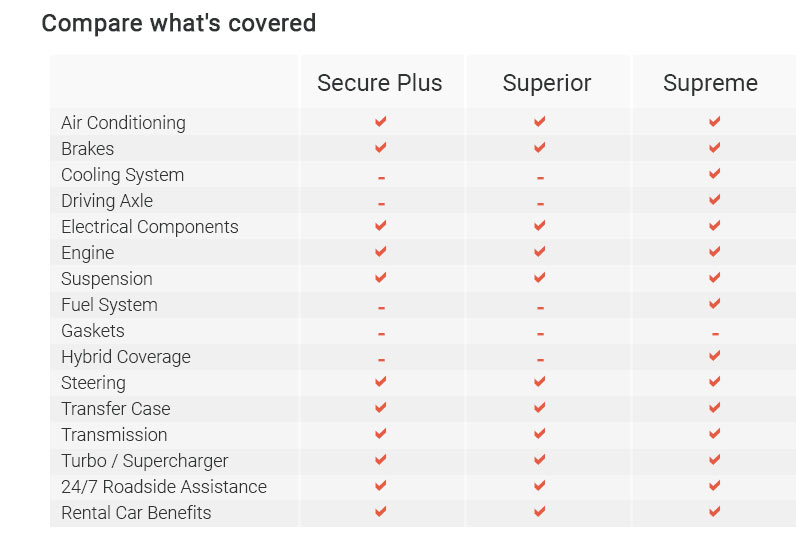
Usually covered: engine internals, transmission assemblies, transfer cases, differentials, control modules, infotainment heads, air conditioning components.
Often excluded: oil changes, brake pads, rotors, tires, glass, bodywork, cosmetic trim, pre-existing conditions, and failure from neglect or modifications.
Where it comes from
Automaker-backed plans
Administered by the manufacturer and usually honored at franchised dealers nationwide.
Pros: strong parts availability, OEM diagnostics, broad service networks, cleaner claims.
Cons: higher price, dealer-only repairs in some contracts, less flexibility on aftermarket parts.
Third-party administrators
Independent companies sell tiered contracts via dealers or direct.
Pros: flexible coverage levels, may allow your trusted independent shop, competitive pricing.
Cons: variable administrator quality, more approval steps, shop reluctance if payment terms are slow.
Bank or credit union add-ons
Often bundled at loan signing.
Pros: simple enrollment, payroll-like payments rolled into financing.
Cons: interest paid on the product, generic tiers, cancellation terms vary.
Insurance endorsements
Some insurers add mechanical breakdown coverage as a policy rider.
Symptom and shop: you choose a qualified facility; some plans require ASE-certified technicians.
Inspection: the shop diagnoses and documents cause of failure.
Authorization: the shop contacts the administrator, provides codes, photos, estimates.
Approval and parts: an adjuster may inspect; parts sourcing and labor hours are authorized.
Payment: the administrator pays the shop directly; you cover the deductible and any non-covered items.
Subtle real-world moment: a water pump seized on a Sunday return from a lake trip; the independent shop called the number on the contract Monday, approval came by noon, and the plan paid everything but a modest deductible while rental coverage bridged the day.
Who benefits - and who can skip
Good fit: complex vehicles out of factory warranty, commuters logging high miles, owners far from specialty shops, buyers who keep cars for 6 - 10 years.
Maybe skip: low-mile, simple powertrains still under strong factory coverage, DIY owners who tolerate downtime, vehicles with inexpensive parts and labor.
Middle ground: set aside a maintenance reserve; if a contract has harsh caps or poor ratings, self-insure for a year and reassess.
Quick comparison snapshot
If you value dealer continuity: lean automaker-backed for smoother logistics.
If you prefer your local indie: target third-party plans that explicitly allow independent shops and list labor-rate caps above your area's average.
If you want one bill: an insurance endorsement can be tidy, but read sub-limits.
Action checklist
Map your risk: list known trouble spots for your model, typical repair costs, and current warranty status.
https://www.msgcu.org/mechanical-repair-coverage
Drive with confidence, knowing you have Mechanical Repair Coverage. - Rental reimbursement: up to $35 per day (5-day maximum, 10-day maximum for parts delay); ...